 Digital Onboarding
  AML
AML  Credit Analysis
  Card Issuance
  Payment Dispersion
  Notifications
  Collections
  Bill Payment
  Alternative Scoring
  Device Lock
Payment experience directly affects customer satisfaction, portfolio recovery, and retention. A complicated process, limited payment options, or delayed confirmations can create friction, increase late payments, and damage trust.
Optimizing payments means more than adding collection channels. Financial institutions need to connect payment methods, reconciliation, communication, and follow-up within one efficient operation.
What makes a payment experience effective?
An effective payment journey lets customers:
- Use the channel that best fits their needs
- See the amount, due date, and payment reference clearly
- Receive prompt transaction confirmation
- Avoid unnecessary manual steps
- Get timely communication before and after payment
Four strategies to improve customer payment experience
1. Offer multiple payment methods
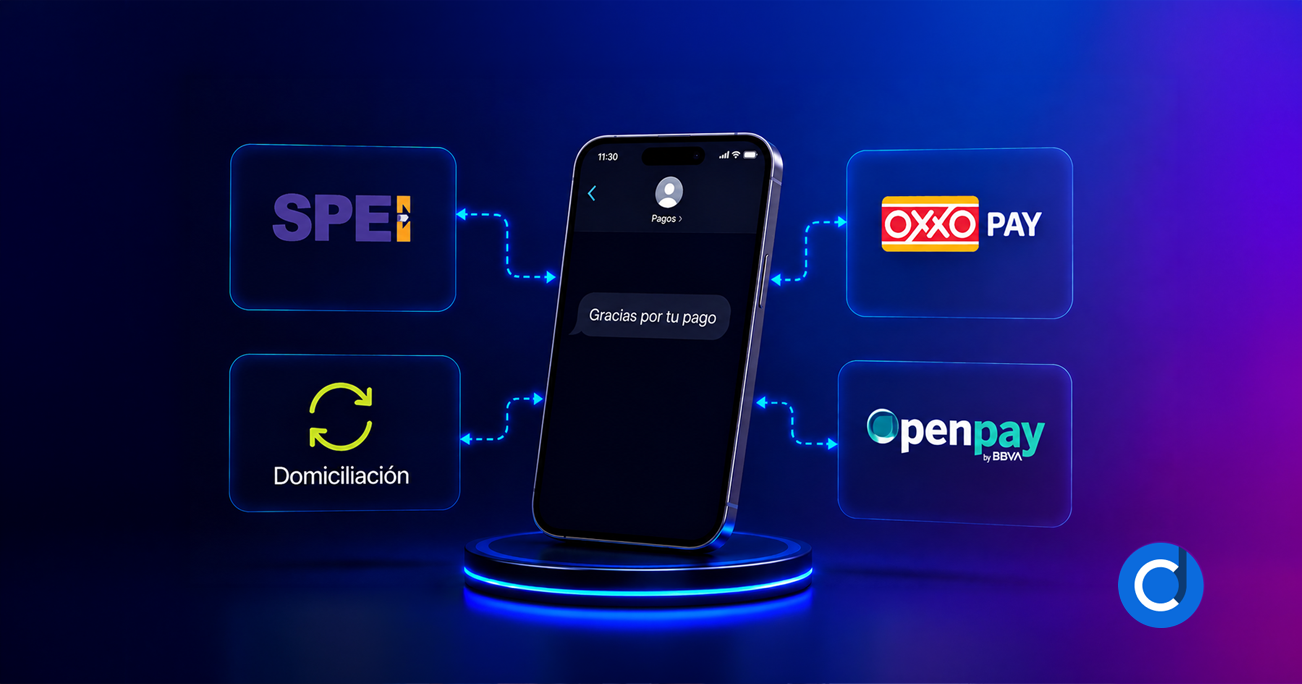
Customers do not all pay in the same way. Some prefer bank transfers, while others use cards, automatic payments, payment links, or supported cash-payment networks.
A modern strategy brings relevant payment methods into the same operation. Giving customers appropriate options reduces barriers and makes it easier to pay on time. Centralizing those channels also simplifies administration for the institution.
Each institution should select methods based on customer preferences, product type, transaction cost, security, settlement times, and local availability.
2. Automate reconciliation and payment tracking
After receiving a payment, the institution must identify who paid, determine the purpose, and update the corresponding account or loan.
Manual reconciliation increases processing time and the likelihood of errors. An integrated platform can use unique references and real-time notifications to match transactions, update balances, and provide teams with an accurate payment status.
Automation reduces administrative workload while helping prevent duplicate collection actions after a customer has already paid.
3. Keep customers informed throughout the process
A strong payment experience depends on clear communication before, during, and after every transaction.
Automated notifications through SMS, WhatsApp, or email can:
- Remind customers of upcoming due dates
- Share payment references and instructions
- Confirm received payments
- Communicate transaction status
- Notify customers of relevant account activity
These messages do more than remind customers to pay. They reduce uncertainty and help build trust throughout the payment cycle. Communication frequency and content should respect customer preferences and applicable rules.
4. Centralize the operation for better visibility
Payment operations become harder to manage when payment methods, reconciliation, notifications, and collections are handled by disconnected tools.
Centralizing these processes helps institutions:
- Maintain traceability for each transaction
- Review information in real time
- Reduce manual tasks
- Improve operational efficiency
- Deliver a consistent customer experience
Unified information also gives teams better context for portfolio management and internal decision-making.
From collecting payments to building customer trust
In a digital financial environment, a simple, transparent, and automated payment journey is a competitive advantage. It improves operational control, reduces friction, and makes it easier for customers to meet their obligations.
DynamiCore helps financial institutions optimize payment experience through an integrated financial technology platform that connects collection workflows, multiple payment methods, reconciliation, and notification campaigns within one ecosystem.
Follow DynamiCore on Instagram, Facebook, and LinkedIn for more content on financial innovation and automation.