 Digital Onboarding
  AML
AML  Credit Analysis
  Card Issuance
  Payment Dispersion
  Notifications
  Collections
  Bill Payment
  Alternative Scoring
  Device Lock
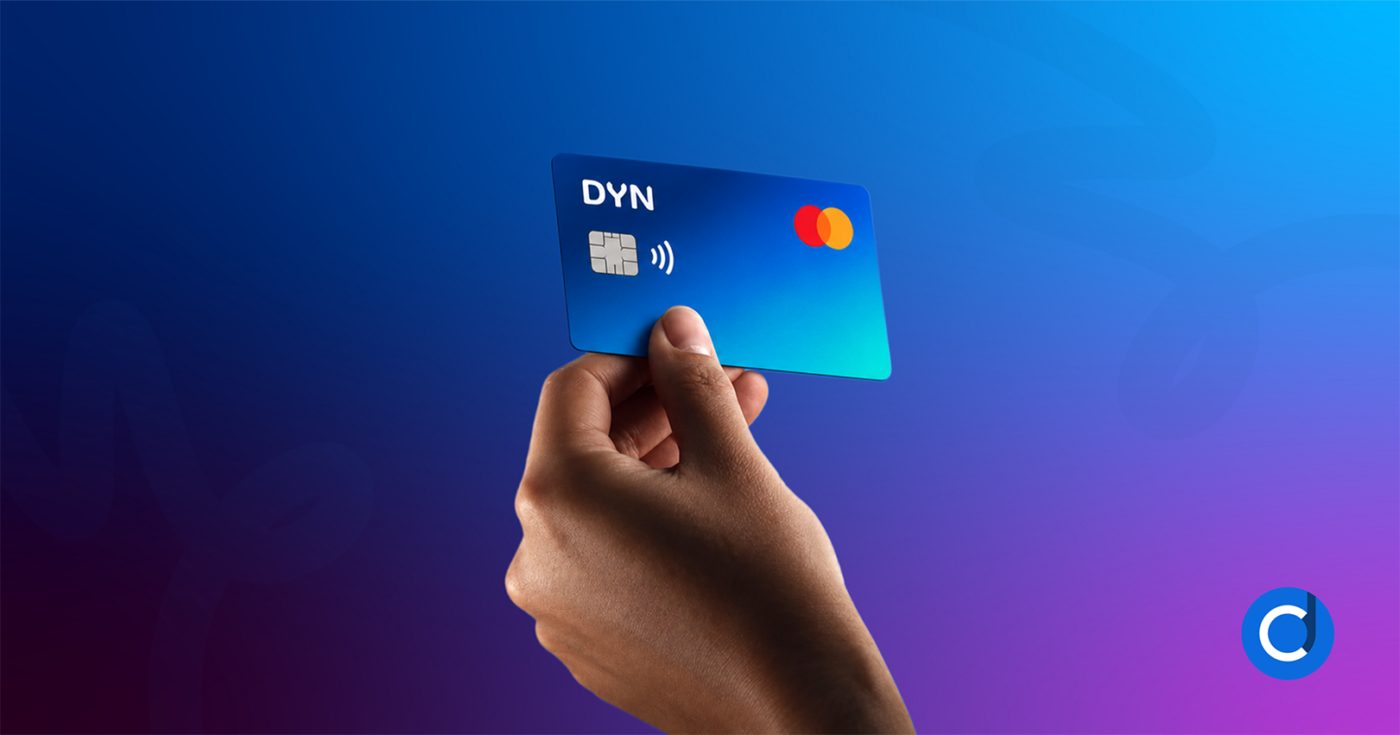
Card issuance helps financial institutions meet different goals, from disbursing loans and payroll to managing corporate expenses and launching new financial products.
However, issuing and managing cards requires multiple technology and operational components to handle accounts, transactions, security controls, and the full life cycle of both physical and virtual cards.
Building all of this in-house can take months, require several integrations, and demand a significant investment. A card issuer with ready-to-integrate infrastructure offers a faster alternative for adding these capabilities to an existing system.
This guide explains how to issue cards without building your own infrastructure from scratch.
How can you issue cards without building from scratch?
The process can be organized into five main stages.
1. Define the use case
Start by identifying the primary purpose of the cards. Common use cases include:
- Loan disbursement
- Payroll payments
- Supplier payments
- Corporate expense management
- New digital financial products
The use case determines not only the product features, but also the controls required and the experience offered to end users.
2. Choose the type of card
Determine whether the program requires physical cards, virtual cards, or a combination of both.
Virtual cards are useful when immediate availability and a fully digital experience are priorities. Physical cards remain relevant when customers need to use the product in person.
The choice should reflect customer behavior and the operating model, not only a technology preference.
3. Integrate card issuing infrastructure
This is where working with a technology-enabled card issuer creates a major advantage.
Instead of building each component, an institution can connect issuing capabilities to its own systems through APIs or use a white-label model.
This reduces the development required to launch the product and makes it easier to connect card issuance with other financial processes.
4. Configure card life-cycle management
Issuing the card is only the beginning. A card issuing platform should support every stage of the card’s life cycle, including:
- Activation
- Locking and unlocking
- PIN changes
- Replacement
- Physical and virtual card management
- Dynamic CVV management, when applicable
Centralizing these functions improves internal operations and the customer experience.
5. Connect issuance with the rest of the financial operation
A card should not operate as an isolated product. Its value increases when it connects with account opening, disbursement, product management, transaction processing, and reporting.
For example, a lending workflow can connect credit approval with account creation, card issuance, and fund disbursement.
Card issuance then becomes one stage of an integrated financial process instead of a separate operation.
How should you choose a card issuer?
Evaluate the following factors before choosing a provider:
| Factor | What to evaluate |
|---|---|
| Integration | API availability and the ability to connect with your core banking platform, applications, and other systems. |
| Card types | Support for issuing and managing physical and virtual cards. |
| Life-cycle management | Activation, locking, unlocking, PIN changes, replacement, and other card controls. |
| Scalability | Capacity to support growth in customers, cards, and transactions. |
| Security | Controls that protect cards, accounts, and customer transactions. |
| Traceability | Visibility into transactions, card status, and program operations. |
| Implementation model | API integration or a white-label approach aligned with the business model. |
Rather than selecting a provider that only puts cards into circulation, choose a card issuer whose infrastructure can support the full life cycle of your product.
DynamiCore provides a card issuing solution that enables financial institutions to issue and manage physical and virtual cards and integrate wallet capabilities.
Follow DynamiCore on Instagram, Facebook, and LinkedIn for more content on financial innovation, process automation, and technology for financial institutions.